Optometry confirmed as “vital” to Government’s Neighbourhood Health Service
Our activity championing eye health at the autumn political party conferences
This year’s party conference season was an opportunity to continue our work with politicians at a national level to champion optometry and eye health.
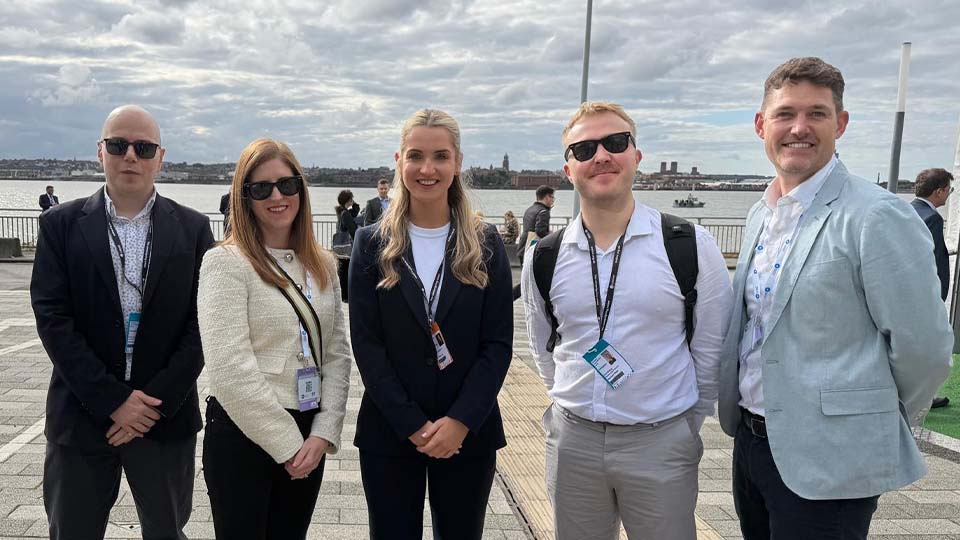
The political party conferences remain a critical platform to influence future health policy and ensure optometry is on the political agenda. During September and October, across the Liberal Democrat, Labour, and Conservative conferences in Bournemouth, Liverpool and Manchester, we highlighted the essential role of primary eye care in shaping future NHS services and ensuring patients can access care closer to home.
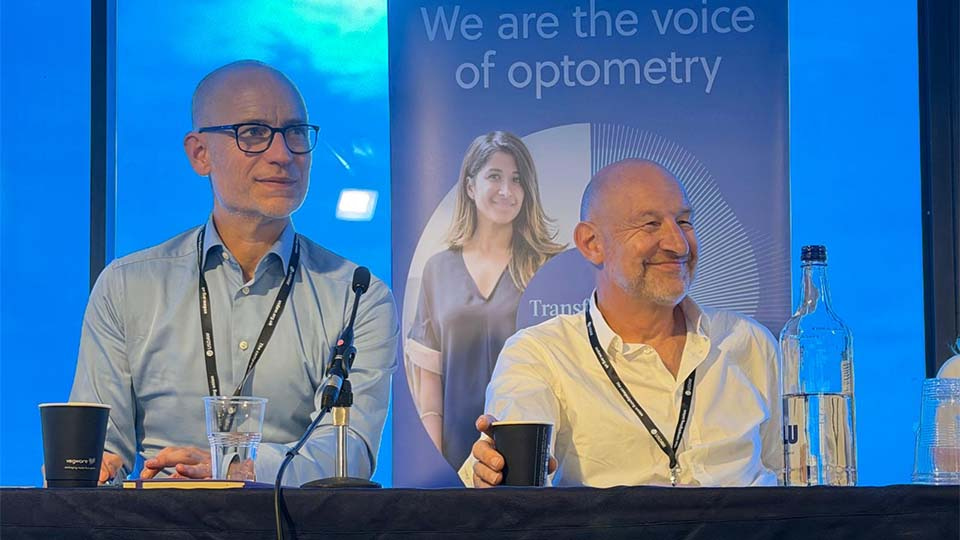
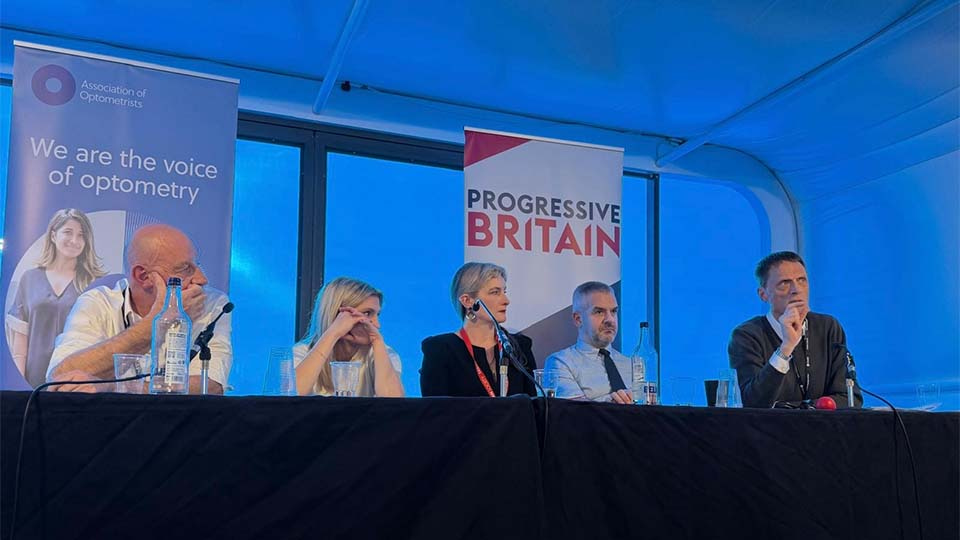
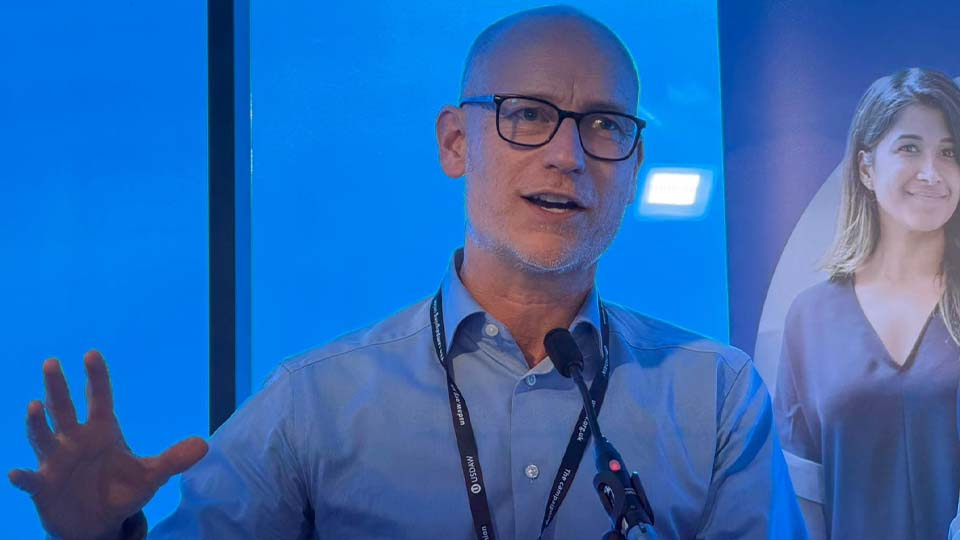
At the Labour conference, we co-hosted a fringe event with Progressive Britain, Health on every High Street, focusing on expanding community-based services and dismantling the barriers to NHS care. At the event, the Minister of State for Care, Stephen Kinnock MP, joined Chief Executive, Adam Sampson and the panel in a constructive discussion on the opportunities in eye care.
Other groups represented in the discussion included:
- Primary care colleagues from dentistry and pharmacy
- Think tanks including the Tony Blair Institute for Global Change
- National optometry partners
- Local leaders including Metro Mayor for South Yorkshire, Oliver Coppard and Islington Councillor, Dr Sara Hyde.
Delegates in the room examined how Labour can successfully achieve its ambition of a Neighbourhood Health Service, delivering more care in the community, away from acute settings. The discussion looked at the pitfalls of current commissioning structures and how more equitable commissioning models have the power to end the postcode lottery, providing community eye care that can be accessed by everyone, everywhere.
At the Liberal Democrat and Conservative conferences, we continued to press for equitable access to eye care services, meeting with MPs and sector leaders, and contributed to two Re: State events. These conversations reinforced our primary message; that optometry must be part of the solution to NHS reform.
At each conference, we framed eye health as central to the delivery of the 10-Year Health Plan, showing how optometry can help shift care from hospital to community, making eye care more convenient for patients, tackle elective waiting lists in ophthalmology and reduce health inequalities.
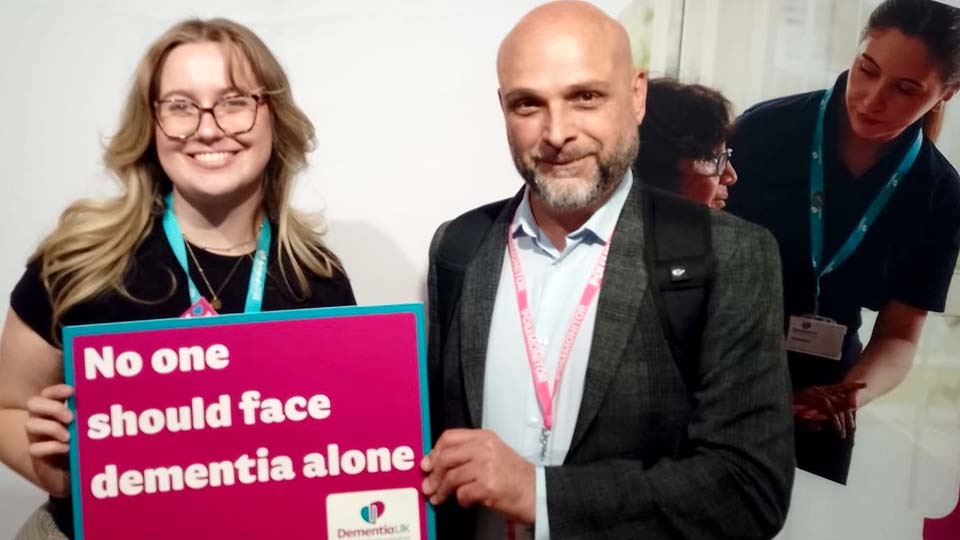
Our social media presence amplified these messages, securing engagement from sector bodies and charities, including Community Pharmacy England, the Royal College of Ophthalmologists, NHS Confederation, and charities such as Dementia UK.
Activity during party conference season continued our programme of influencing work, building on our relationships with MPs and our stakeholders to shape health policy, and inform the direction of our future campaigns and political engagement.
John White, AOP Director of Communications and External Affairs, said: “It was a pleasure to connect with MPs and stakeholders across all three main political party conferences. We were pleased to witness vital commitments from all parties on the future of the NHS, prevention and tackling inequality. Particularly encouraging were the remarks from the Minister, Stephen Kinnock MP, on the vital role optometry will play in the Government’s Neighbourhood Health Service.
“We know optometry is ready to deliver more, and that is widely recognised. What we now want to see is the investment and support for the sector to make the shift from hospital to community a reality.”